By Apurba Biswas
Founder & Vocal Music Educator, Tanpura Music School
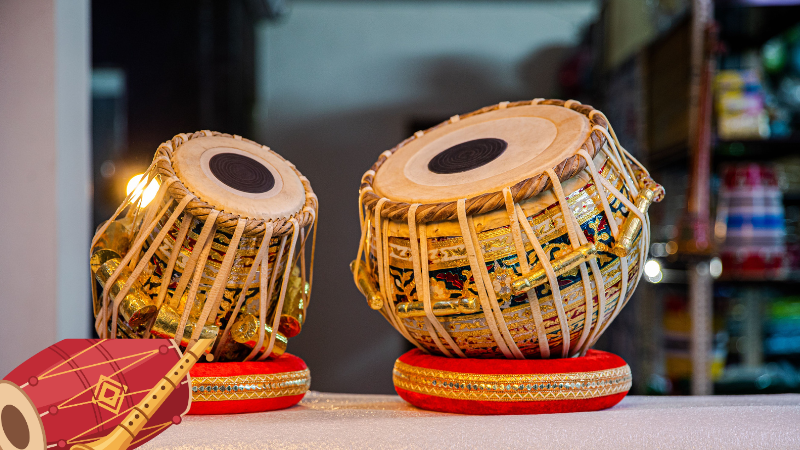
Indian classical music is one of the oldest and richest musical traditions in the world. For beginners, it may seem complex at first, but with the right guidance, it becomes a deeply rewarding journey. This guide will help you understand the basics and show you how to start learning Indian classical music step by step.
What Is Indian Classical Music?
Indian classical music is a structured and disciplined form of music that focuses on melody, rhythm, and emotion. Unlike modern songs, it is not fixed; instead, it allows creativity within a set framework. This tradition is mainly divided into Hindustani classical music and Carnatic music, each with its own style and history.
Understanding the Basics: Raga and Taal
What Is Raga in Indian Classical Music?
A raga is the melodic foundation of Indian classical music. It is not just a scale but a specific set of notes with rules that create a particular mood or emotion. Every raga has its own time of performance and feeling, which makes the music expressive and soulful.
What Is Taal in Indian Classical Music?
Taal refers to rhythm. It is a repeating cycle of beats that keeps the music organized. Popular taals like Teentaal and Ektaal are often taught first to beginners. Understanding taal helps students develop timing and control.
Other Important Concepts Beginners Should Know
Bandish – Learning Through Composition
A bandish is a fixed composition used to teach raga and taal together. Beginners usually start learning through simple bandish-based practice.
Gharana – Different Learning Styles
A gharana represents a specific teaching tradition or style passed down by musicians. Learning about gharanas helps students appreciate depth and diversity in classical music.
How to Learn Indian Classical Music as a Beginner
The best way to start is through structured training. Self-learning can help initially, but proper guidance ensures correct voice culture, raga understanding, and rhythm control. Beginners should focus on:
- Voice or instrument basics
- Raga identification
- Simple taals
- Daily practice routine
Indian classical music classes for beginners
Why Join a Music School for Classical Training?
Learning Indian classical music requires patience, discipline, and expert guidance. A professional music school provides:
- Step-by-step curriculum
- Experienced teachers
- Regular practice evaluation
- Performance confidence
🎶 At Tanpura Music School, beginners receive personalized training designed to build strong foundations in classical music
Learn Indian classical music professionally
Final Thoughts
Indian classical music is not just about singing or playing notes—it is about understanding tradition, emotion, and discipline. With the right learning path and guidance, beginners can truly enjoy and grow in this timeless art form.
✨ Ready to begin your musical journey?
👉 Join Tanpura Music School and start learning Indian classical music today.
About the Author
Apurba Biswas is the Founder and Director of Tanpura Music School, Berlin,
and a trained Indian classical vocal music educator with years of teaching experience.